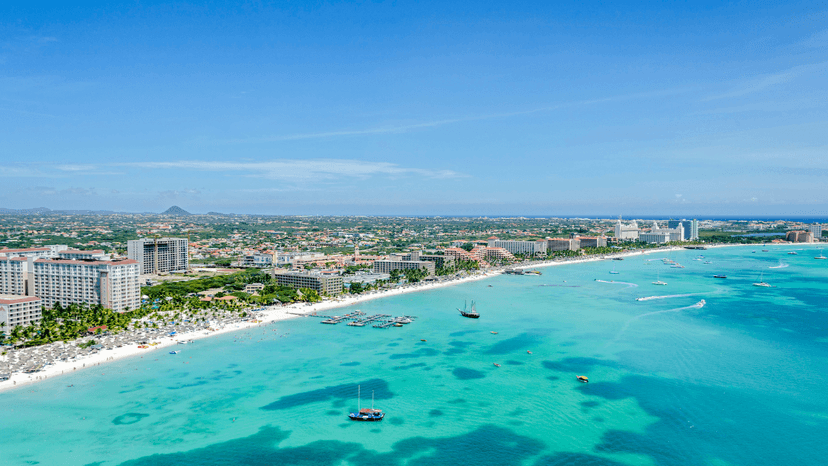
Property
Buying Property in Aruba: Step-by-Step Overview (2026 Guide)
From budget and location to notary and transfer — a clear overview of the property buying process in Aruba.
Read MoreProperty
Considering buying property in Aruba? Here you'll find clear information on costs, mortgage options, ownership types and the buying process — so you can take your next step with confidence.
Clear guides
100% Aruba-focused
No sales pressure
Free resources
For residents & expats
Always up to date
Considering buying property in Aruba? Here you'll find clear information on costs, mortgage options, ownership types and the buying process — so you can take your next step with confidence.
From budget and location to notary and transfer — a clear overview of the property buying process in Aruba.
Read More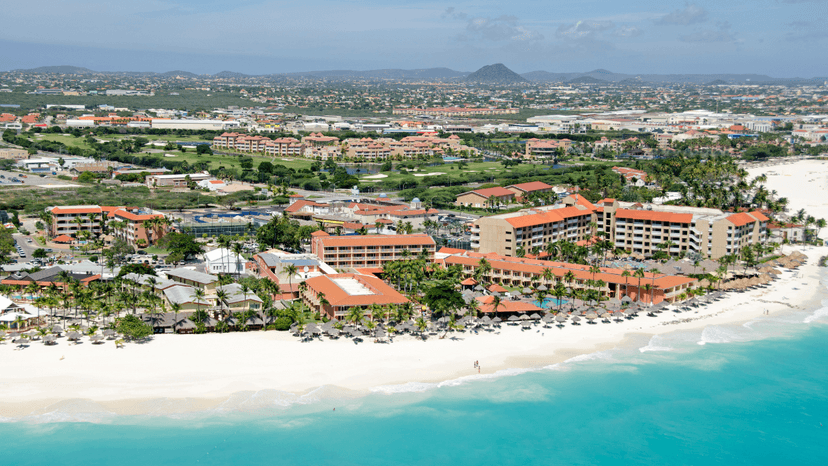
Full breakdown of closing costs (5–8%), transfer tax, notary fees, and ongoing annual expenses when buying property in Aruba.
Read More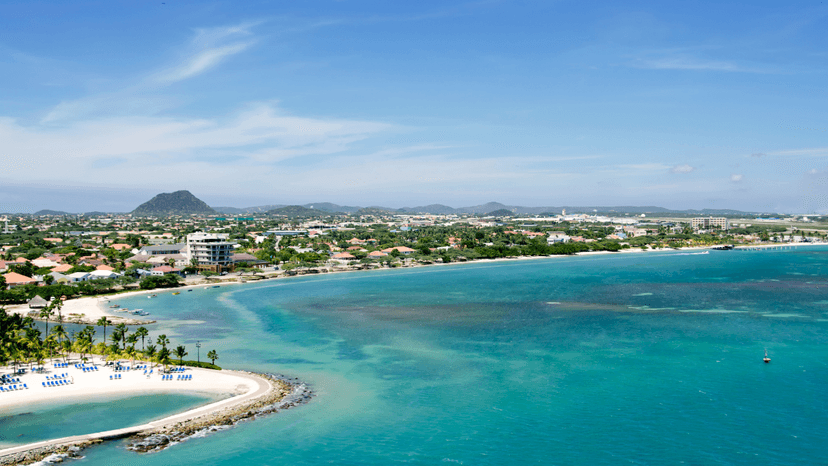
Freehold vs long lease land: ownership rights, 60-year lease, annual canon, and financing.
Read More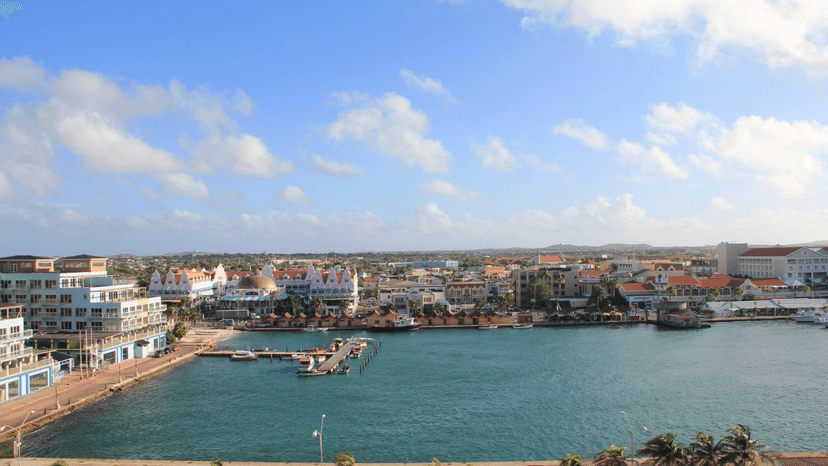
What does a house cost in Aruba? Clear overview of price ranges by region and size, price per sq ft, and which factors drive the market.
Read More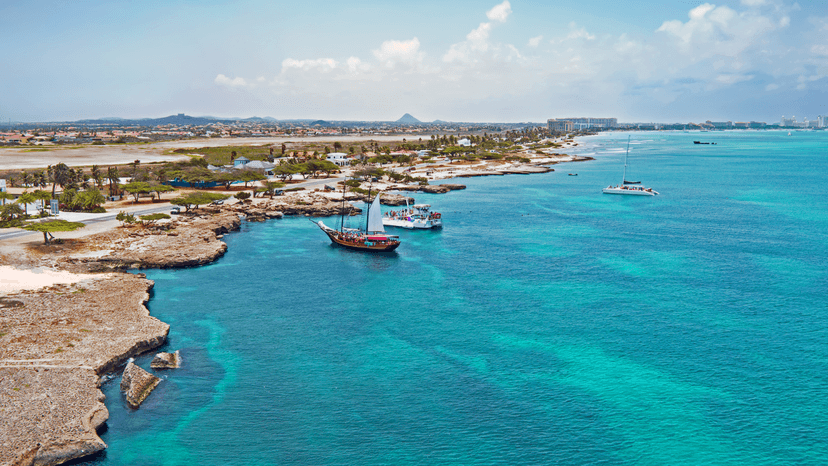
From vibrant beachfront districts to quiet residential towns — a complete overview of Aruba's main locations and what makes each unique.
Read More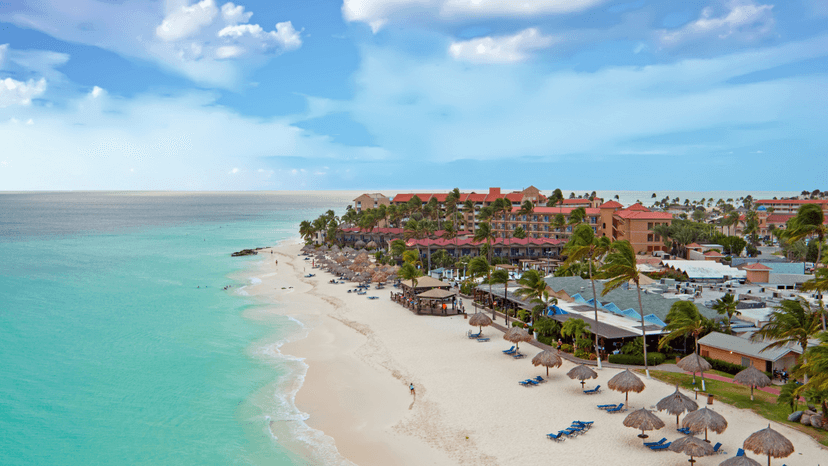
Legal requirements, residency, financing, taxes, and rental rules for international buyers. Owning property in Aruba is smooth, safe, and rewarding.
Read MoreBoth residents and non-residents can purchase property in Aruba.
Freehold (eigendom) means you own the land and the building.
Closing costs in Aruba typically total around 5–8% of the purchase price.
Local banks in Aruba offer mortgages for both freehold and lease-land property.
From offer to transfer usually takes several weeks to a few months.
Aruba offers a range of areas—from beachside and tourist-adjacent to quieter residential neighbourhoods.
As an owner you may face property tax, utilities, and—on lease land—the annual canon.
If you plan to rent out your property, local rules and any HOA or lease conditions apply.
A civil-law notary in Aruba handles the deed and transfer.
Residents and foreigners can buy property. Freehold and long-lease (erfpacht) are both available; rules and financing may differ slightly.
Expect roughly 5–8% in closing costs: transfer tax, notary fees, and other expenses. Our guides break down the numbers.
From beachside to quieter neighbourhoods, Aruba has a range of areas. We outline popular locations and what to consider when choosing.
From offer and due diligence to notary and transfer, the steps are clear. A notary handles the legal transfer of ownership.
Considering your next step in Aruba?
Connect with vetted mortgage, property, and insurance professionals when you're ready.
Connect with usConnect with us for personalized guidance on mortgages, property, and insurance in Aruba.