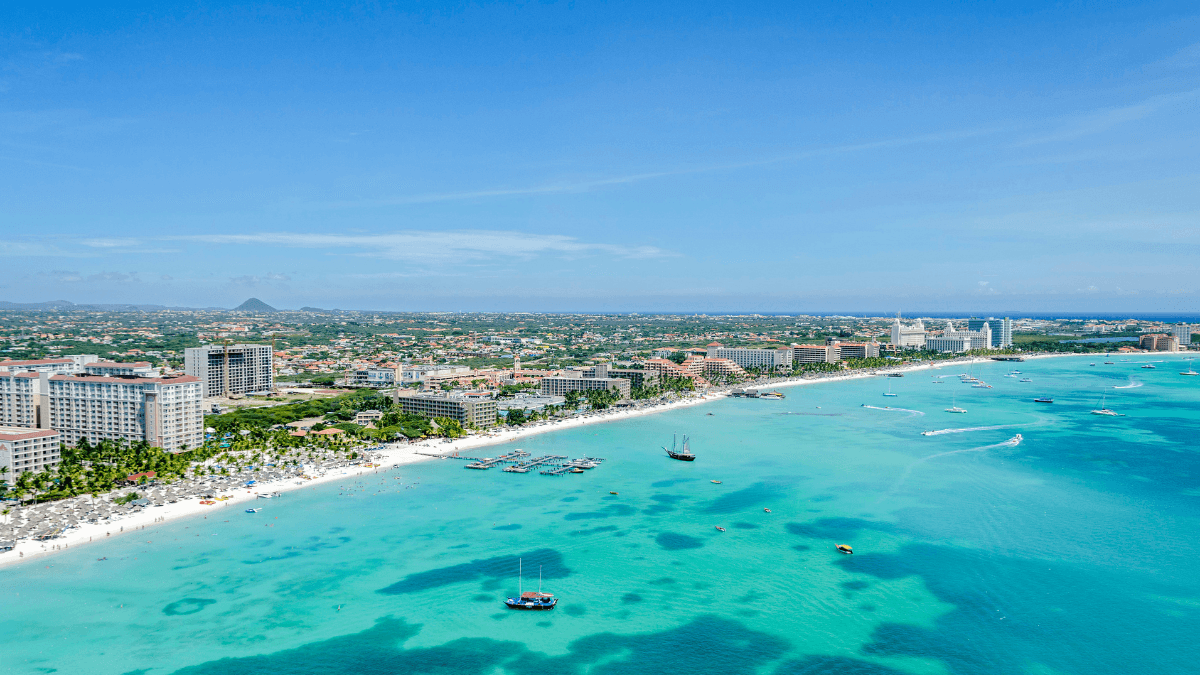
Buying Property in Aruba: Step-by-Step Overview (2026 Guide)
This guide explains the full step-by-step process of buying property in Aruba, including legal requirements, costs, taxes, financing, and key differences like freehold vs lease land.
Buying property in Aruba can be an exciting opportunity — whether you're relocating, purchasing a vacation home, or investing in rental real estate. The island offers stable property rights, clear legal procedures, and ownership options for both residents and foreign buyers.
This guide explains the full step-by-step process of buying property in Aruba, including legal requirements, costs, taxes, financing, and key differences like freehold vs lease land.
Can Foreigners Buy Property in Aruba?
Yes. Aruba allows both residents and non-residents to purchase property. There are no restrictions on foreign ownership of real estate.
Non-residents can typically stay in Aruba for up to 180 days per year without a residency permit, but owning property does not automatically grant residency.
Step 1: Determine Your Budget
Before starting your property search, define:
- Total purchase budget
- Whether you will buy with cash or financing
- Estimated closing costs (typically 5%–8% of purchase price)
- Ongoing annual property taxes
If financing through a local bank, down payments are often higher for non-residents.
Step 2: Choose the Type of Property
Aruba offers several property types:
- Single-family homes
- Condominiums
- Beachfront villas
- Pre-construction developments
- Investment rental properties
Location matters significantly. Popular areas include:
- Palm Beach
- Eagle Beach
- Noord
- Oranjestad
- Malmok
- Savaneta
Each area has different pricing, rental demand, and lifestyle characteristics.
Step 3: Make an Offer and Sign a Purchase Agreement
Once you find a property:
- A written offer is submitted.
- If accepted, a purchase agreement is drafted.
- Both buyer and seller sign the agreement.
- The agreement is forwarded to a notary.
In many cases, buyers must deposit 10% of the purchase price with the notary within approximately 10 business days. This deposit is usually held in escrow.
Step 4: Compliance and Due Diligence (KYC)
Aruba requires compliance procedures under Know Your Customer (KYC) regulations. You may need to provide:
- Valid passport or ID
- Proof of address
- Proof of funds or mortgage approval
- Bank documentation
This ensures legal transparency and prevents fraudulent transactions.
Step 5: The Role of the Notary in Aruba
In Aruba, only a licensed notary can legally transfer property ownership. The notary:
- Verifies ownership
- Checks for liens or debts on the property
- Confirms unpaid taxes
- Prepares the transfer deed
- Manages escrow funds
- Registers the property transfer
The notary process typically takes 8–12 weeks, depending on complexity.
Step 6: Ownership Transfer
Once all checks are complete:
- The final deed is signed before the notary.
- Remaining funds are transferred.
- The property is officially registered in the buyer's name.
- Ownership is recorded in Aruba's public registry.
Freehold vs Lease Land in Aruba
When buying property in Aruba, you may encounter two types of land ownership:
Freehold (Eigendom)
You fully own both the land and the structure.
Lease Land (Erfpacht)
The land is owned by the government and leased to you for a long period (commonly 60 years, renewable). Lease land may involve annual fees and renewal procedures.
Financing terms can differ between freehold and lease land properties. Understanding this distinction is essential before purchasing.
Costs of Buying Property in Aruba
In addition to the purchase price, buyers should budget for:
- Transfer Tax — 3% for properties valued under AWG 250,000; 6% for properties above AWG 250,000
- Notary Fees — Usually range between 0.5% and 3% depending on transaction complexity.
- Mortgage Deed Costs (if financing) — Additional fees apply if registering a mortgage.
- Total Closing Costs — Typically range between 5% and 8% of the purchase price.
Property Taxes in Aruba
Aruba applies annual land tax (grondbelasting) based on assessed property value. Rates generally range from 0% on lower values up to approximately 0.6% for higher-value properties. Exact rates depend on government-assessed value.
Financing Options
Cash Purchase — Common among foreign buyers.
Local Mortgage — Available through Aruban banks. Requirements vary, but often include:
- Proof of income
- Down payment (often higher for non-residents)
- Interest rates commonly between 5%–7% (subject to change)
Mortgage approval timelines vary but can take several weeks.
Timeline Overview
From accepted offer to final transfer: approximately 8–12 weeks. This may vary depending on mortgage approval, compliance checks, property type, and pre-construction vs resale.
Important Considerations Before Buying
- Understand zoning rules if planning renovations.
- Check HOA fees for condominiums.
- Confirm rental regulations if buying for Airbnb or long-term rental.
- Review insurance requirements (home insurance is strongly recommended).
Is Buying Property in Aruba a Good Investment?
Aruba has a stable tourism-driven economy and consistent demand for vacation rentals and second homes. However, investment returns depend heavily on location, rental demand, property type, financing structure, and management costs. Due diligence is essential.
Final Thoughts
Buying property in Aruba is a structured and transparent process when you understand the steps involved. Whether you're a resident, expat, or international buyer, preparation and clarity are key.
Understanding ownership structures, costs, taxes, and financing options will help you make a confident and informed decision.
Frequently Asked Questions
How long does it take to buy property in Aruba?
The notary process typically takes 8–12 weeks from accepted offer to final transfer, depending on complexity.
What is the transfer tax when buying property in Aruba?
Transfer tax is 3% for properties valued under AWG 250,000; 6% for properties above AWG 250,000.
Can foreigners buy property in Aruba?
Yes. Aruba allows both residents and non-residents to purchase property with no restrictions on foreign ownership.
How much deposit do I pay when buying property in Aruba?
In many cases, buyers deposit 10% of the purchase price with the notary within approximately 10 business days. This is usually held in escrow.